



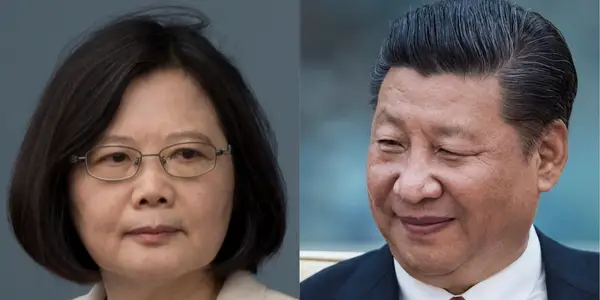
Political leaders in China signaled a stronger position on the issue of independence for Taiwan during recent national policy meetings in Beijing.
The statements, delivered during major government sessions, reiterated Beijing’s longstanding position that Taiwan is part of China while emphasizing opposition to any moves toward formal independence.
Officials described national unity as a core political objective and warned against external interference in cross-strait relations. The comments come at a time when geopolitical tensions in the Indo-Pacific region remain high.
Taiwan operates as a self-governing democracy, but China considers the island part of its territory and has repeatedly stated it will oppose any attempts to establish formal independence.


International observers say the latest statements reflect Beijing’s desire to project firmness on the issue while also signaling its strategic priorities to domestic and international audiences.
The question of Taiwan remains one of the most sensitive geopolitical issues in the region, with implications for global security and trade. Several major economies maintain strong economic relationships with Taiwan, particularly in the semiconductor industry, which plays a crucial role in global technology supply chains.
Military activity around the Taiwan Strait has also increased in recent years, contributing to concerns about potential conflict. While most governments support maintaining the current status quo, the situation continues to require careful diplomatic management.
Analysts believe China’s latest messaging is aimed at reinforcing its official stance while discouraging political developments that could alter the current balance of power in the region.