




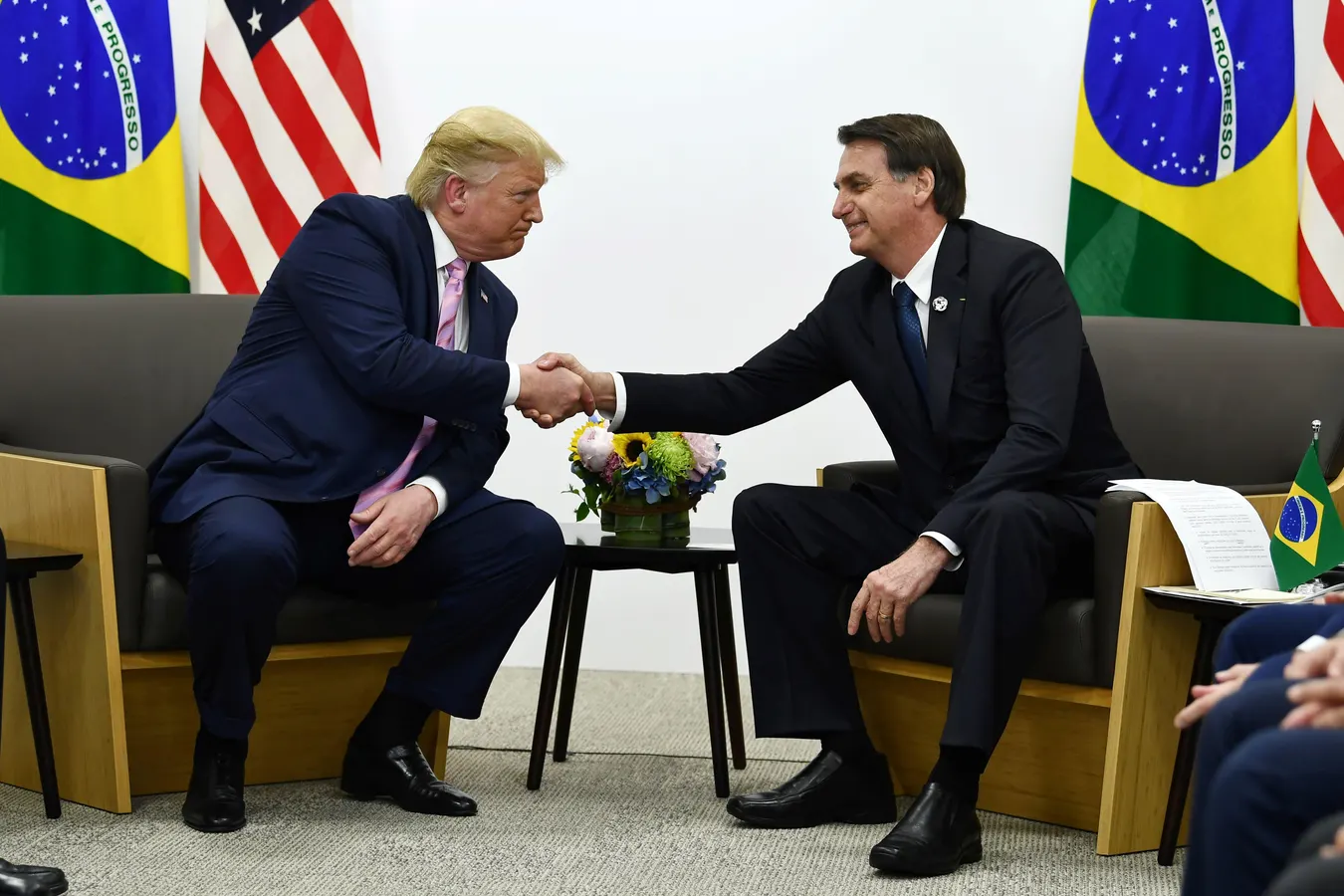
Diplomatic tensions between the United States and Brazil escalated this week after the Brazilian government denied entry to a political adviser associated with former U.S. President Donald Trump.
The decision was reportedly approved by Brazilian President Luiz Inácio Lula da Silva following a dispute involving visa restrictions imposed on a Brazilian government official attempting to enter the United States.
Officials in Brasília described the move as a reciprocal response, signaling dissatisfaction with the treatment of Brazilian representatives abroad. While the specific details of the visa dispute remain unclear, the incident highlights the delicate nature of diplomatic relations between the two countries.


Brazil and the United States have historically maintained strong economic and political ties, with cooperation spanning trade, environmental policy, and regional security. However, disagreements over foreign policy and diplomatic protocols occasionally strain the relationship.
Political analysts say the latest dispute may reflect broader geopolitical tensions as governments reassess alliances and national interests in an increasingly complex global environment.
The situation has drawn attention in diplomatic circles, with observers noting that symbolic actions such as travel restrictions often serve as signals in international politics. While the measures themselves may appear limited, they can indicate deeper disagreements behind the scenes.
For now, officials from both governments have avoided escalating rhetoric publicly, suggesting that behind-the-scenes negotiations may be underway to resolve the issue.
Whether the dispute will affect broader cooperation between the two countries remains uncertain, but it serves as a reminder that even longstanding partnerships can experience moments of tension in international diplomacy.