





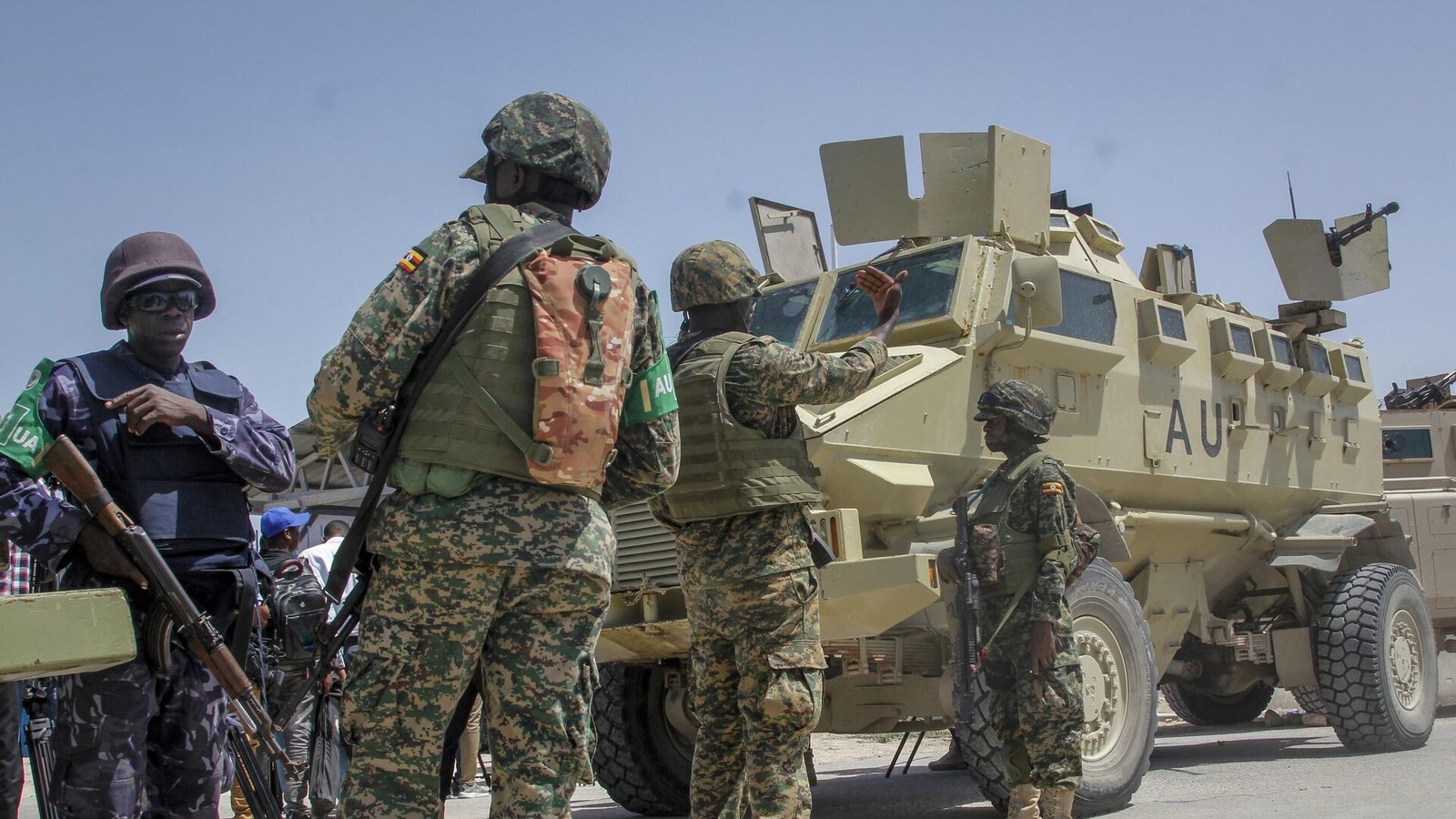
The African Union has renewed its call for stronger regional security cooperation this week, as multiple regions across Africa continue to face rising threats from armed conflict, insurgency, and political instability.
During high-level discussions, AU leaders emphasized that security challenges on the continent are increasingly interconnected, requiring coordinated and collective responses. Countries such as Nigeria and Ethiopia highlighted the importance of intelligence sharing and joint military operations in combating cross-border threats.
The AU is advocating for the strengthening of its peace and security architecture, including enhanced support for peacekeeping missions and rapid-response mechanisms. However, funding remains a major obstacle, as many member states struggle to allocate sufficient resources to defense and security initiatives.


External partners, including international organizations and foreign governments, have been urged to provide financial and logistical support. At the same time, there is a growing push for African-led solutions that prioritize local knowledge and ownership.
Security experts note that addressing root causes—such as poverty, unemployment, and weak governance—is just as important as military intervention. Without long-term development strategies, efforts to stabilize conflict zones may only yield temporary results.
The AU’s renewed focus reflects a broader recognition that sustainable peace on the continent depends on unity, coordination, and a shared commitment to tackling both immediate threats and underlying challenges.