


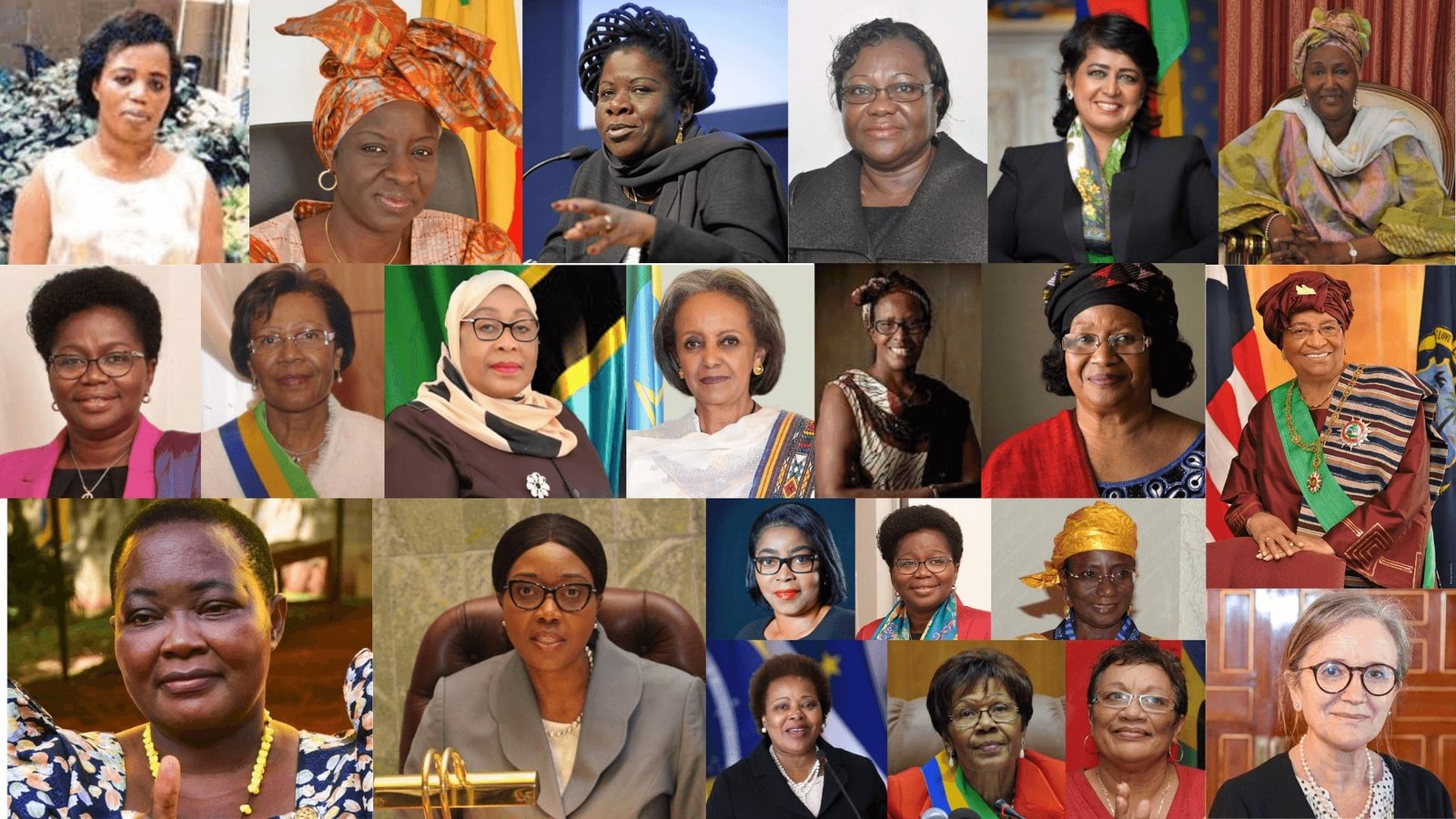
A new global analysis of political leadership has highlighted a persistent gender gap, showing that women continue to hold a small proportion of the world’s most powerful political positions.
Researchers studying global governance trends estimate that only a limited number of countries are currently led by women, reflecting ongoing barriers to gender equality in political representation.
Despite progress in recent decades, women remain significantly underrepresented in executive leadership roles such as president or prime minister. Analysts say cultural expectations, political structures, and unequal access to resources often contribute to the imbalance.
Advocates for gender equality argue that increasing women’s participation in political leadership can have broad social and economic benefits. Studies have shown that diverse leadership teams often bring different perspectives to policy discussions, which can lead to more inclusive decision-making.


International organizations and civil society groups have introduced programs aimed at encouraging women to pursue political careers. These initiatives include leadership training, mentorship programs, and policies designed to reduce barriers to entry in political systems.
In many countries, legislative quotas and electoral reforms have also been introduced to increase the number of women serving in national parliaments.
While progress remains uneven across regions, the broader conversation about gender equality in politics continues to gain momentum.
Supporters of greater representation argue that strengthening women’s leadership in government is not only a matter of fairness but also an essential step toward building political systems that better reflect the societies they serve.